Packing Light: Essentials for a Day Hike
Estimated reading time 5 minutes
One of the most common questions we are asked is "What should I bring with me?"
We always carry extras for your safety and comfort; advanced first aid kits, water, snacks, sit mats, sunscreen, insect repellent, hand warmers, layers and more but it is important that these are not relied on and that you have everything that you need with you for your enjoyment. We also send out half day and full day kit list recommendations.
In this blog post, we'll cover the essential items you need to pack for a day hike, helping you to travel efficiently and make the most of your time on the trail.
Choose the Right Backpack
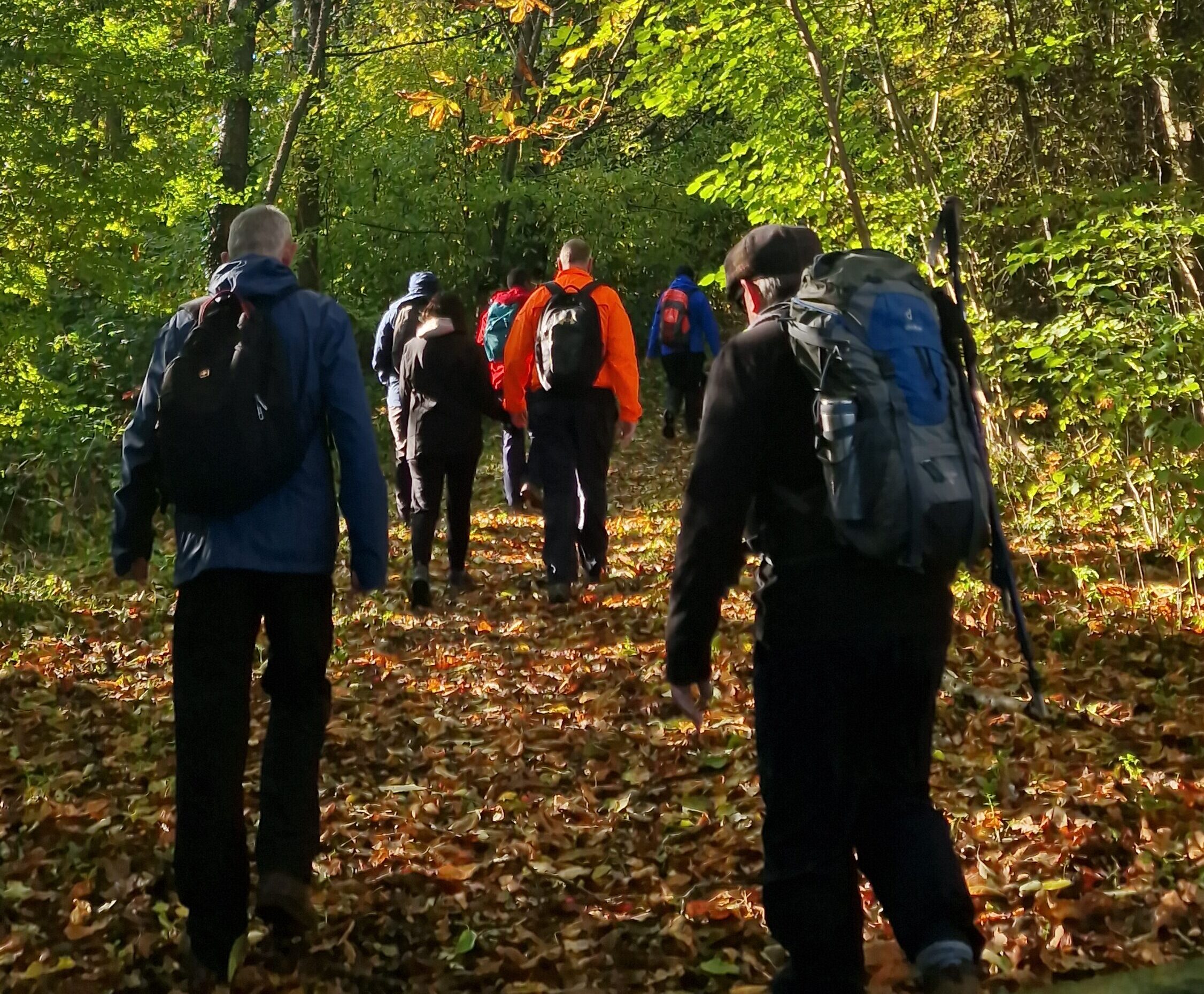
The first step in packing for a day hike is selecting the right backpack. Opt for a lightweight, durable pack with enough capacity to hold all of your essentials without weighing you down. Look for features such as padded shoulder straps, a hip belt for added support, and multiple compartments for organizing your gear. Consider the size of your backpack carefully – you want it to be large enough to carry everything you need but not so big that it becomes cumbersome to carry. We would recommend 20-25L for a half day and 25L-30L for a full day of walking.
Water and Hydration
Staying hydrated is essential when hiking, especially on hot days or when there are some steep inclines. Carry an ample supply of water with you in a reusable water bottle or hydration reservoir. Aim to drink at least one litre of water for every hour of hiking, and take regular sips to stay hydrated throughout your hike. For a half day walk we suggest carrying 2L of water with you. We opt for the water bladders as we find these so much easier than a standard bottle.
Navigation Tools
Navigating the trail is crucial for a safe and enjoyable hiking experience. If you are walking with us there is no need for you to bring any navigation equipment. We carry everything needed to ensure your safety and ensure that you can enjoy the scenery and not worry about where we are.
If you are heading out on your own please bring along a map of the area, a compass, or a GPS device to help you stay on course. Familiarize yourself with the trail route before setting out, and pay attention to trail markers, signs, and landmarks along the way. If you're hiking in an unfamiliar area, consider downloading offline maps or using a GPS tracking app on your smartphone as a backup navigation tool. Please remember that whilst phone apps are such a useful tool they can not be relied upon. They do drain the phone battery so carrying a charging bank is essential in this case too. We are Ordnance Survey Champions for Kent so if you need any hints or tips on maps or the app please contact us.
First Aid Kit
Whilst we do everything possible to avoid them, accidents can happen on the walk. We carry a large first aid kit to ensure we can look after you but it is vital that you carry your own medication and inform us if you have any medical requirements.
If you are walking alone it's essential to be prepared with a basic first aid kit. Pack essentials such as adhesive bandages, gauze pads, antiseptic wipes, blister treatment, tweezers, and pain relievers. Customize your first aid kit based on your hiking destination, activities, and personal medical needs.
Food and Snacks
Fuel your walk with lightweight, high-energy snacks that provide sustained energy and nutrition. Our half days walks always have a lunch break so please bring whatever food you would require. For longer walks pack a variety of portable snacks such as trail mix, energy bars, dried fruit and nuts These are light weight and calorie dense. For a full day of walking aim for a balance of carbohydrates, protein, and healthy fats to keep your energy levels stable throughout the day. Fuelling yourself correctly can be make or break to a successful walk, we have certainly learnt that lesson over the years.
Clothing and Layers
Dress appropriately for the weather and terrain conditions you'll encounter on your walk. Wear moisture-wicking, breathable clothing that will keep you cool and dry, and dress in layers to adjust to changing temperatures. Pack a lightweight, packable rain jacket or windbreaker in case of inclement weather, and bring extra clothing such as a hat, gloves, and a warm layer for cooler conditions. Don't forget to wear sturdy hiking boots or trail shoes with good traction and ankle support to prevent slips, trips, and falls on uneven terrain. Lightweight and layers really is the name of the game. Heavy cotton is not breathable and will make you sweat more or weigh you down when wet.

Sun Protection
Now, we don't get too many walks in full sun, but there are those precious few walks a year this applies to and its an important point to make. Protect yourself from the sun's harmful rays by wearing sunscreen, sunglasses, and a wide-brimmed hat. Apply sunscreen with an SPF of 30 or higher to all exposed skin, and reapply regularly throughout your hike, especially if you're sweating or swimming. Wear UV-blocking sunglasses to protect your eyes from glare and harmful UV radiation, and choose a hat with a wide brim to shade your face, neck, and ears from the sun.
Packing light for a day hike is essential for enjoying a safe, comfortable, and enjoyable outdoor adventure. By selecting the right gear and essentials, you can travel efficiently and make the most of your time outside. Remember to choose a lightweight backpack, stay hydrated, fuel your hike with nutritious snacks, dress appropriately for the weather, and protect yourself from the sun. With these essentials in you'll be ready for a brilliant walk.


