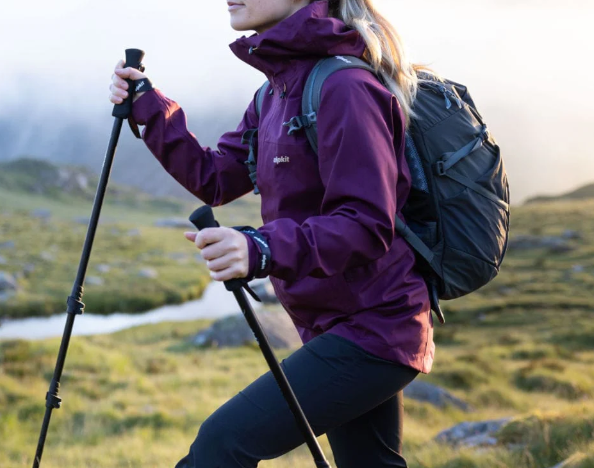
Love Your Poles: Why Walking Poles Aren’t Just for Mountains
Estimated reading time 2 minutes
Walking poles aren’t just for people climbing mountains or if you have an injury — they’re a useful, often underrated tool for anyone who walks regularly, especially across uneven or hilly ground. If you’re a walker in Kent, you might be surprised just how much a pair of poles can change your stride.
Why Use Poles on Lowland Walks?
Reduce Pressure on Joints: Especially knees and hips — this is gold if you’ve got arthritis, past injuries, or are peri/postmenopausal and feeling joint stiffness.
Support on Slippery Ground: Think about muddy woodland in Blean, chalky slopes in Lenham, or winter descents in King’s Wood. Poles give extra points of contact.
Improve Posture: Using poles helps you stand taller, open your chest, and reduce hunching — particularly helpful if you’re carrying a rucksack.
Full-Body Workout: You’ll work your arms and core, not just your legs, making each walk more effective for overall strength and stamina.
Top Tips for Using Poles
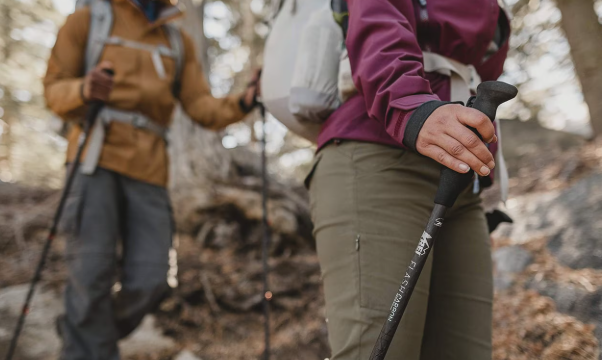
1. Adjust Them to Your Height: On flat ground, your elbows should be at a 90° angle when holding the grips. Going uphill? Shorten them slightly. Downhill? Lengthen them.
2. Use the Straps Correctly: Slip your hand up through the strap, then grip the handle. The strap should take the pressure, not your fingers.
3. Find a Rhythm: Pole opposite to the lead foot — it should feel like a natural swing, not a stab-and-drag.
Start with a moderate, varied route like the Shoreham Circular or a section of the Greensand Way, and notice the difference poles make.
You may feel self-conscious the first time — but soon, you’ll wonder why you ever walked without them.


